History of the fortress
From a coastal settlement and the walls of the Shirvanshahs to the World Heritage list — almost a thousand years behind a single wall.
Where Baku began
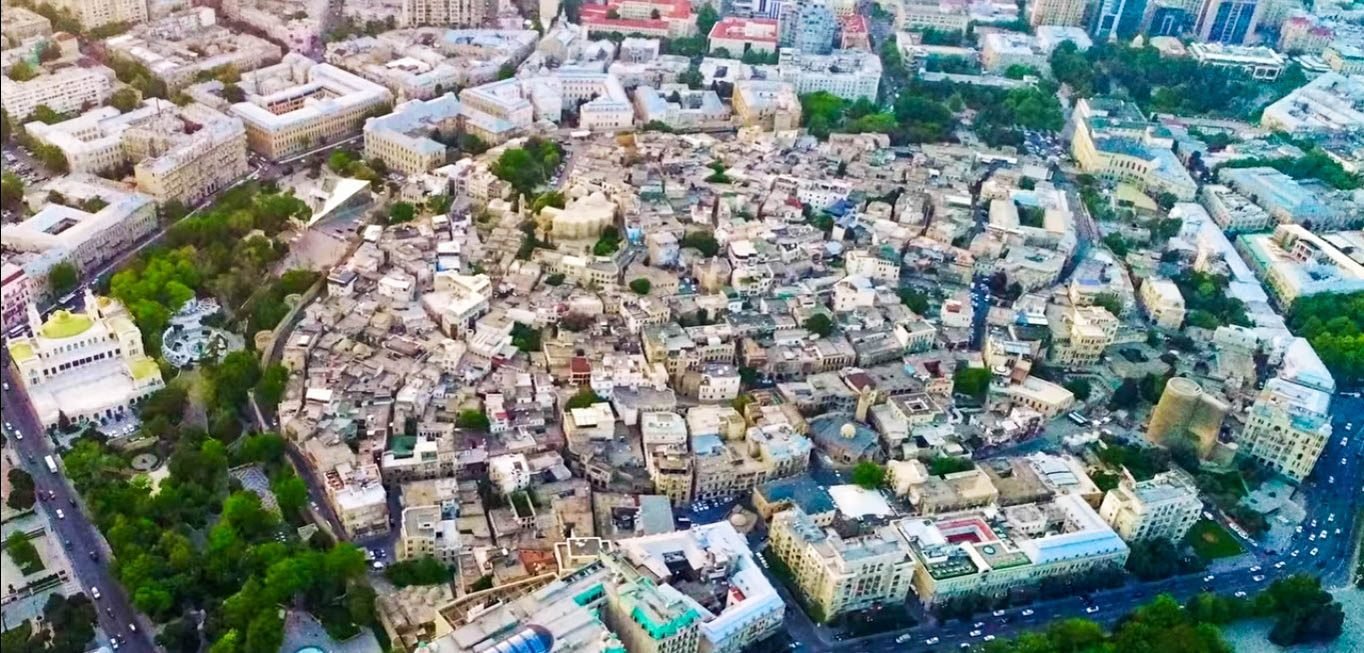
İçərişəhər is the historic Baku itself: until the 19th century the entire city fit within the fortress walls. A settlement on this rocky cape by the Caspian existed long before the Middle Ages, but the look of the walled town took shape in the era of the Shirvanshah state, when Baku gained strategic and commercial importance on the western shore of the sea.
The age of the Shirvanshahs
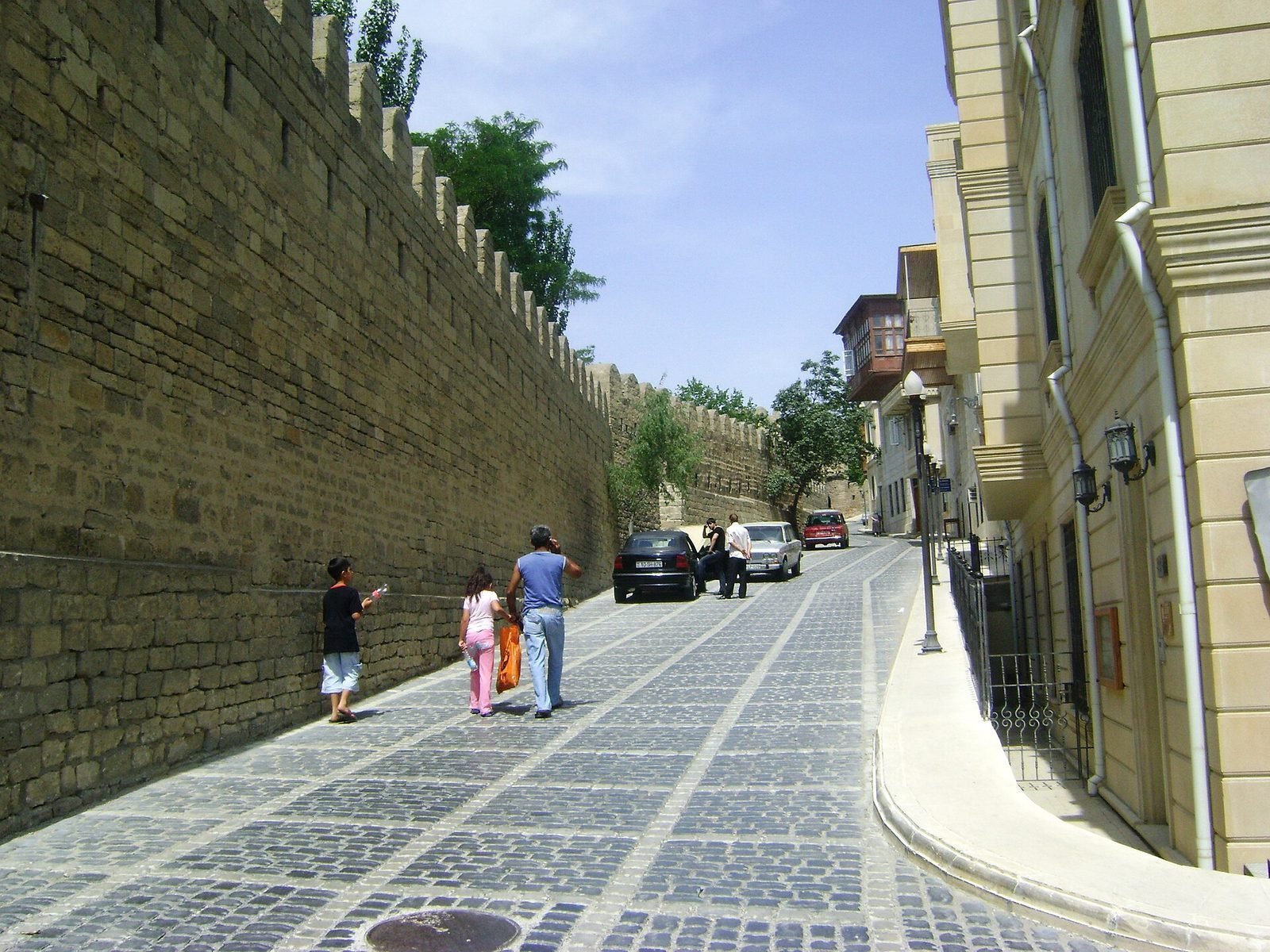
In the 12th century, according to the prevailing account, the Shirvanshahs moved their residence to Baku, and the city was girdled with a mighty double wall complete with towers and a moat. The surviving line of fortifications, and — by the main hypothesis — the principal masonry of the Maiden Tower, is dated to this period. The peak came in the 15th century under Khalilullah I, when the palace complex of the Shirvanshahs was built — the summit of the local architectural school.
Oil, empire, change
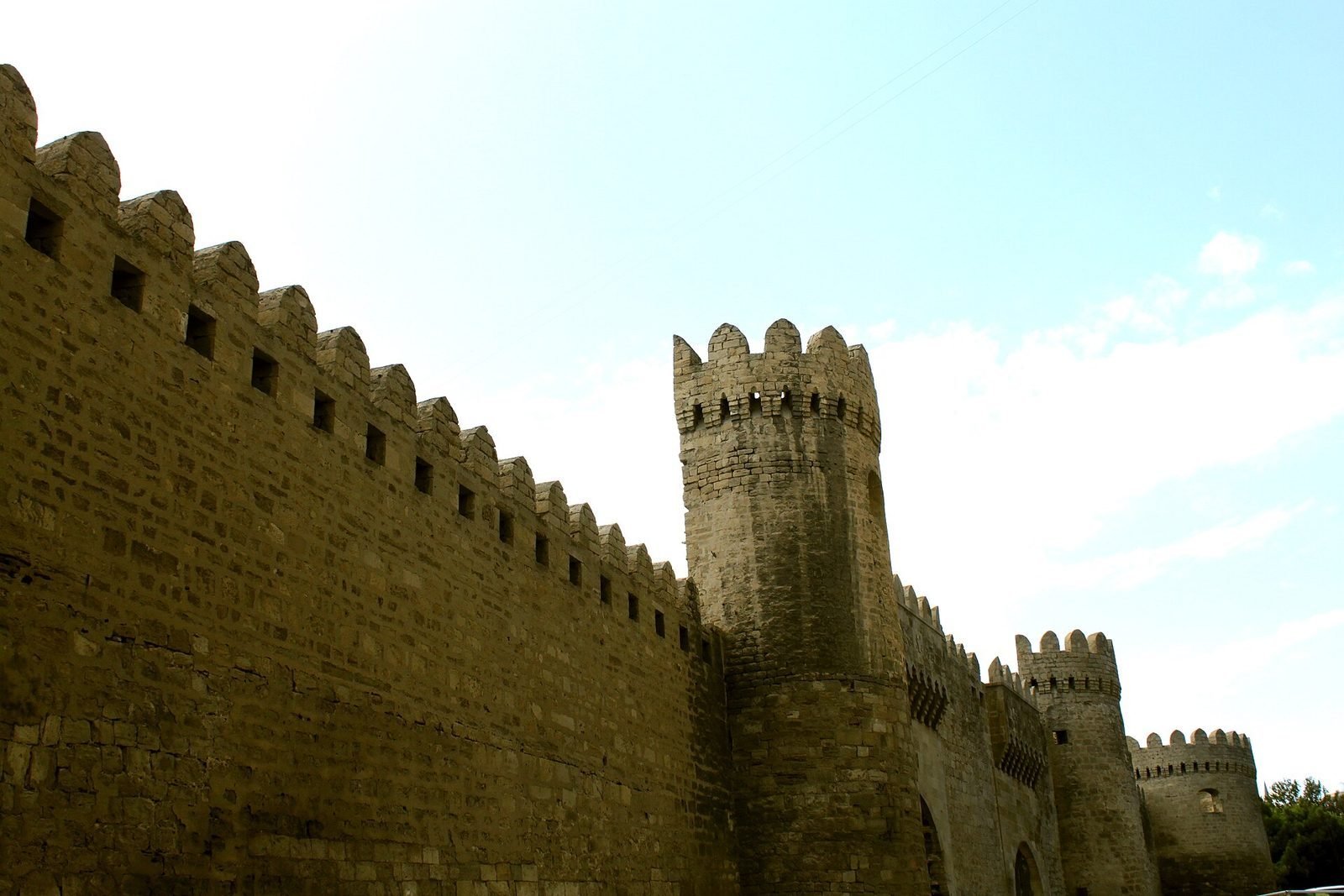
With the annexation by the Russian Empire (early 19th century) and especially with the oil boom of the late 19th century, Baku rapidly expanded beyond the walls. The outer ring of fortifications and the moat were gradually demolished, leaving the surviving inner wall. The Old City became merely one part of greater Baku — and it is precisely this that spared its historic fabric from total redevelopment.
Reserve and UNESCO
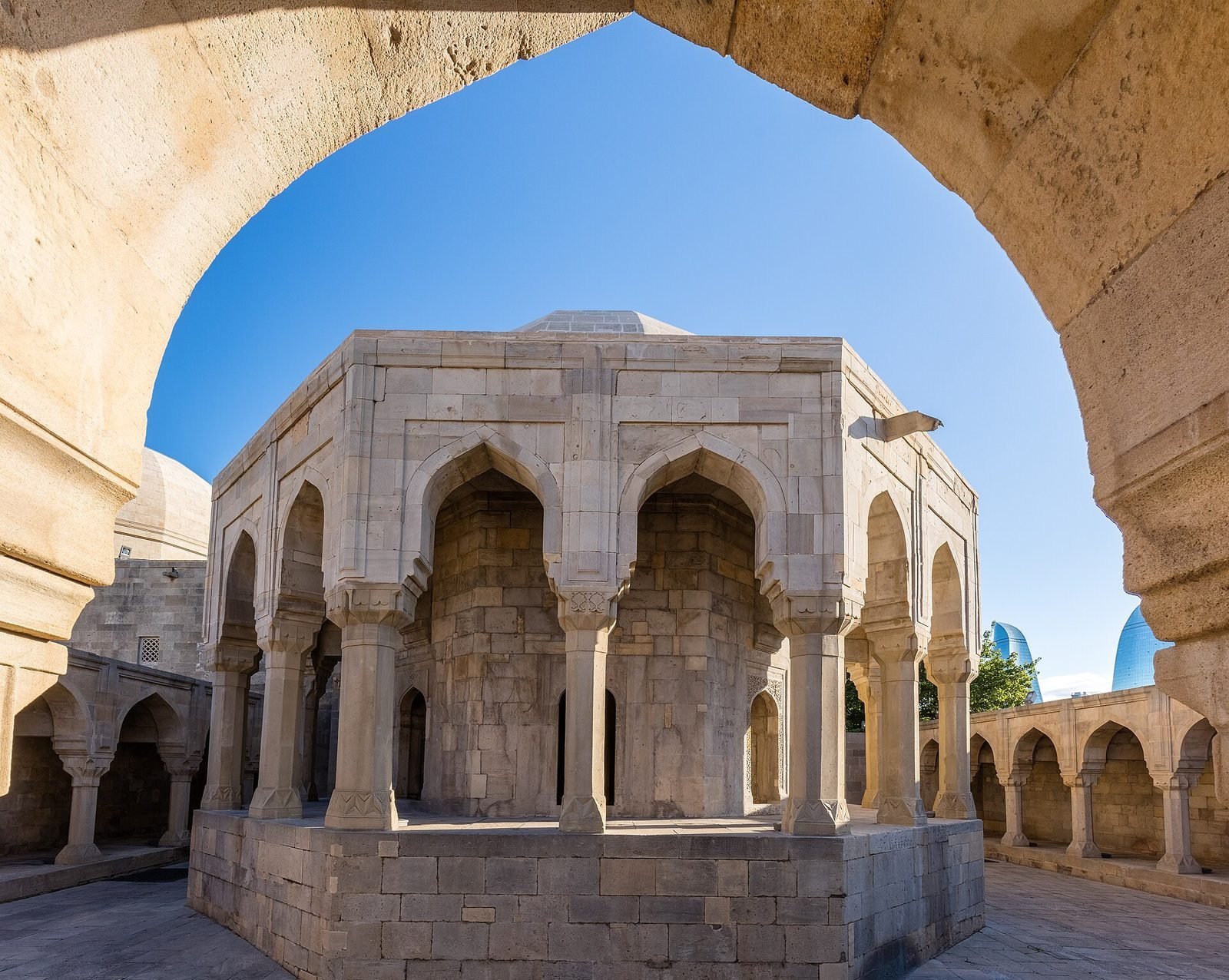
In 1977 İçərişəhər was declared a historical and architectural reserve. In 2000 the "Walled City of Baku with the Palace of the Shirvanshahs and the Maiden Tower" was inscribed on the UNESCO World Heritage List — the first such site in Azerbaijan. After the 2000 earthquake and amid threats from urban development, the site was placed on the List of World Heritage in Danger in 2003, and removed from it in 2009 following conservation measures.
Briefly, century by century
The dating of the Shirvanshah era and the exact age of the walls differ across sources; the most widely accepted versions are given here.