Monuments of the fortress
Mosques and minarets, Silk Road caravanserais, hammams and fortress gates — dozens of monuments within a few hectares.
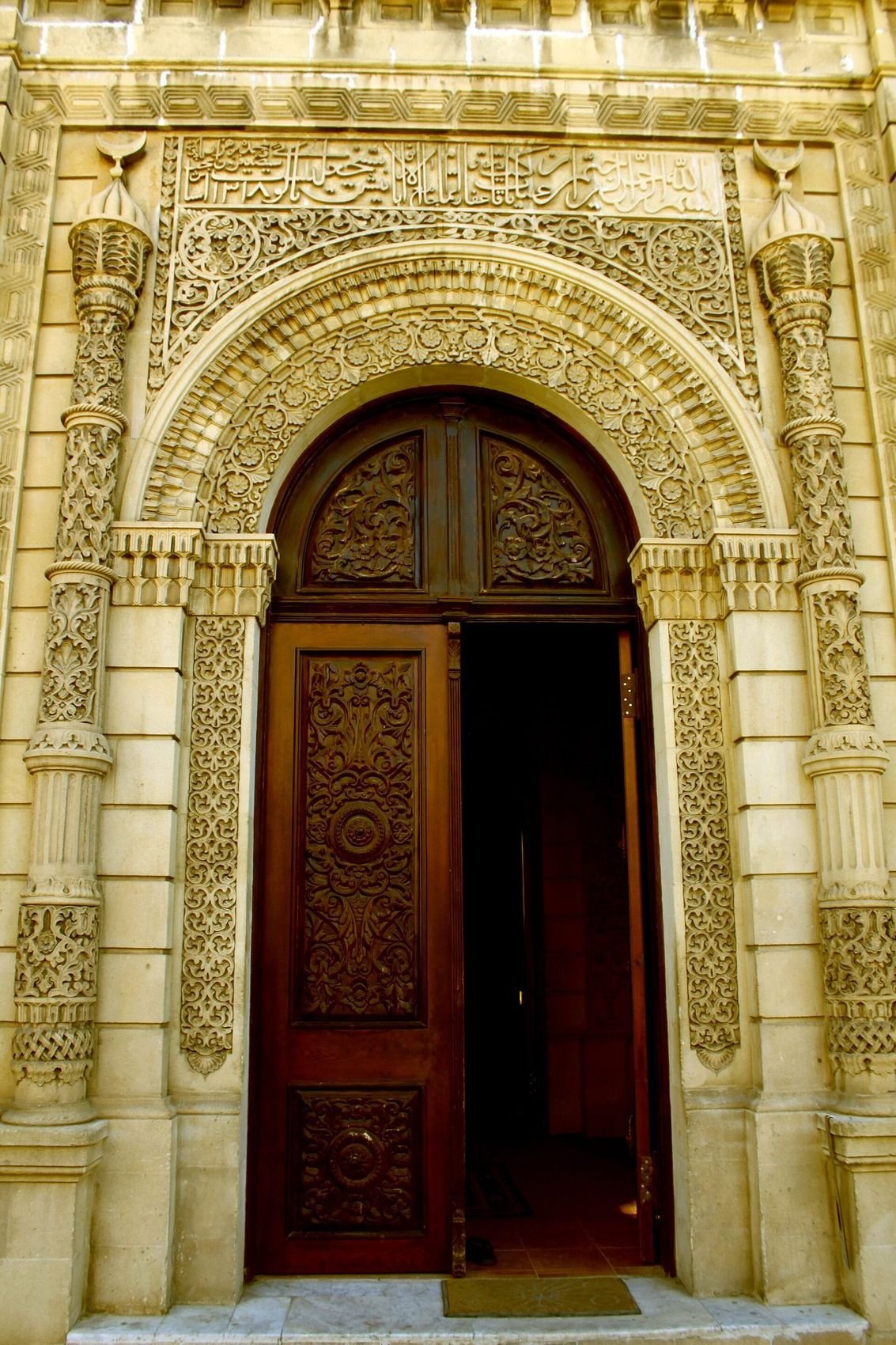
Mosques and minarets
Baku's oldest dated mosque is the Muhammad mosque, known as Synyk Kala ("the broken tower"): the inscription on its minaret is dated to 1078/79. The nickname is linked to damage to the minaret when the city was shelled by the Russian fleet in 1723. The Juma mosque (Friday mosque), built on the site of an earlier temple, was rebuilt in the early 20th century, but its minaret is considerably older — it is dated to the 15th century.
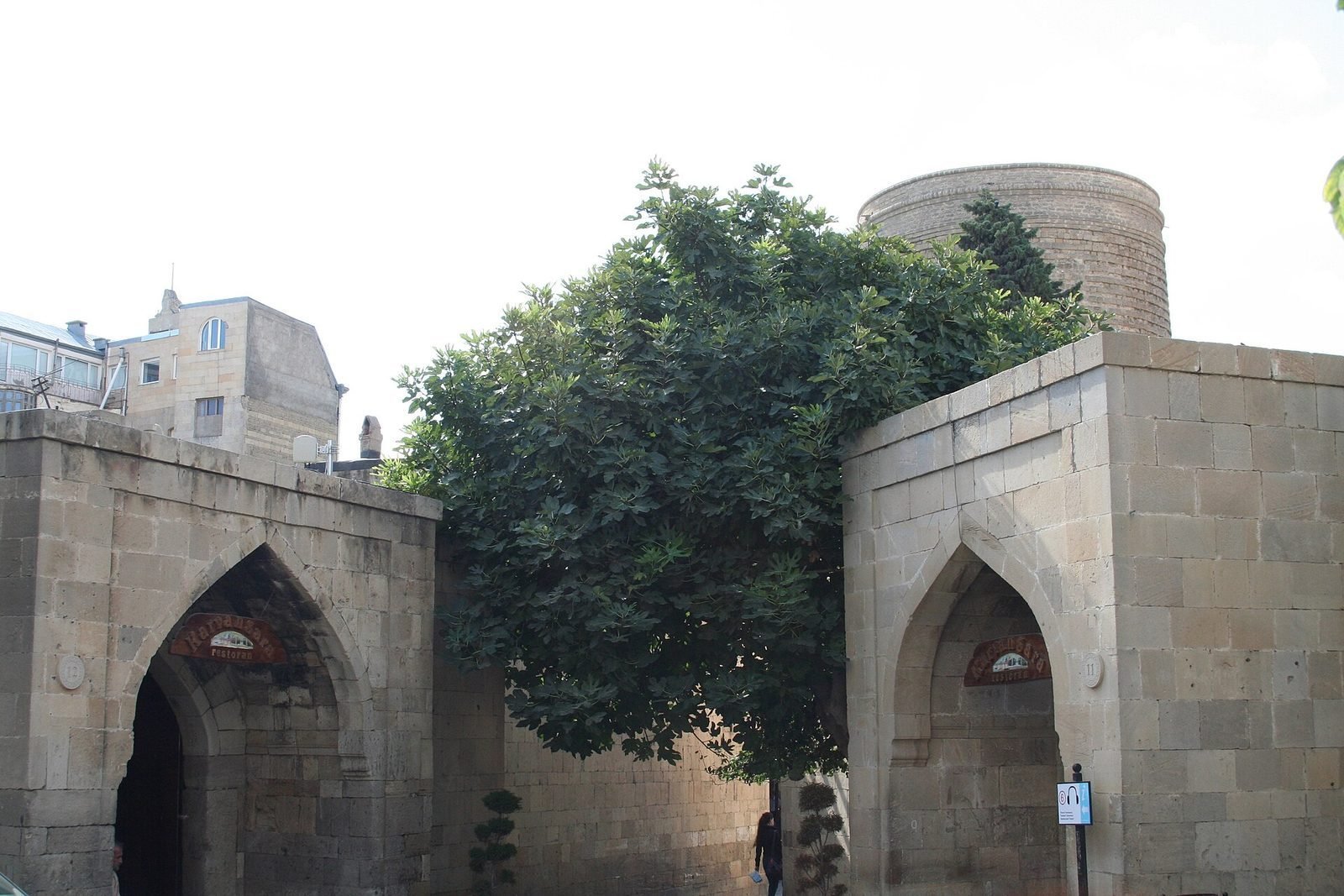
Caravanserais
In this trading city on the shore of the Caspian, merchants from across the East would stop. Two 15th-century caravanserais survive to this day — the Multani and the Bukhara. The Multani (Indian) caravanserai served merchants from Multan, including Hindu fire-worshippers; the Bukhara one served traders from Central Asia. Today restaurants and shops occupy their covered courtyards and cells, yet the layout of an inn reads clearly.
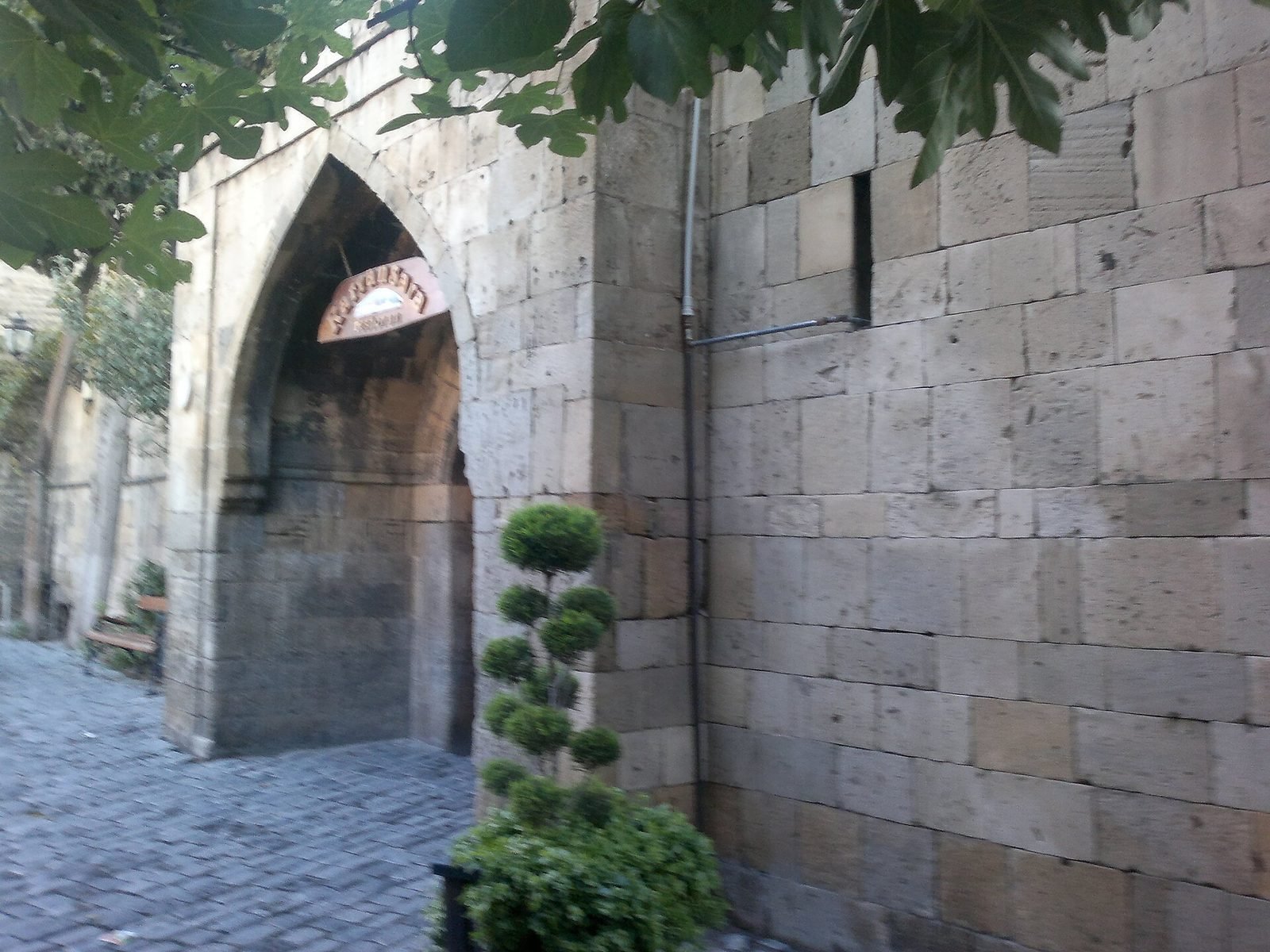
Hammams
Baths were centres of city life — places not only for washing, but for meeting, doing business and unhurried rest. Several hammams survive in İçərişəhər, and the two best-known are still standing. They were often built sunk into the ground, with domed roofs and round skylights — which retained the heat and filled the halls with a soft, diffused light.
Two baths of the Old City
Agha Mikayil bath
Built in the 18th century by Haji Agha Mikayil, a native of Shamakhi, in a quarter that locals still call the "bathhouse keepers' quarter" (on Kiçik Qala / Small Fortress Street). The oldest working hammam in Baku — it is still in use today, on separate days for men and women.
Haji Gaib bath
A medieval 15th-century bath by the palace square, partly going underground; it was discovered during archaeological excavations. Its domed halls with round openings in the vaults are a classic example of an Eastern hammam.
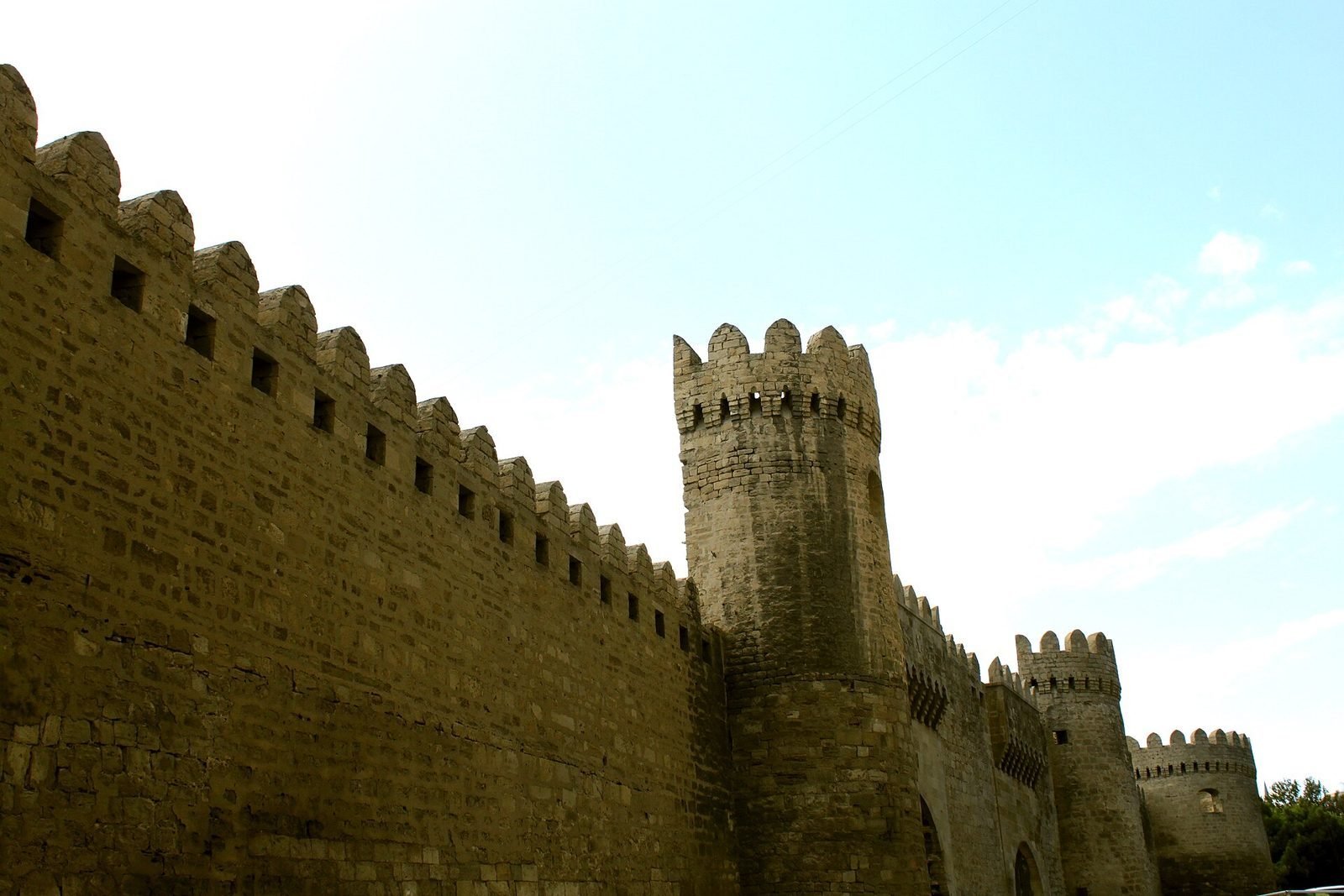
Walls and gates
The surviving fortress wall, with battlements and semicircular towers, encircles the Old City. The main surviving entrance is Qosha Qala Qapisi, the "Pair Gates" (also called the Shamakhi Gates): a double opening in the line of walls through which people entered the city for centuries. The wall was once double, with a moat, but the outer ring was dismantled in the 19th and 20th centuries as Baku grew.
The dating of the mosques and the exact history of the gates differ across sources; widely held versions are given here.